E953
E953 , Isomalt
Why this classification
Sugar alcohol. Mandatory laxative warning.
Products containing E953
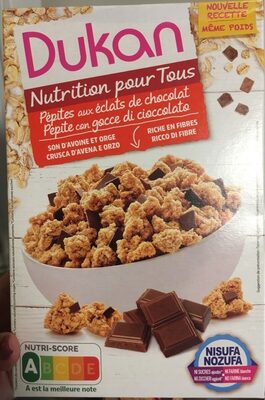
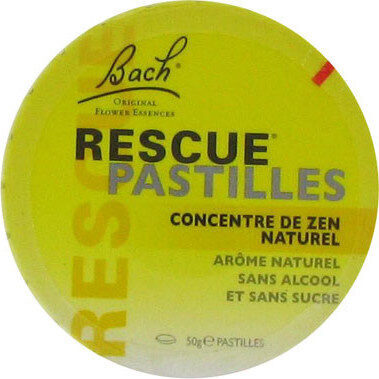


Common uses in industrial food
Isomalt (E953) is used by food manufacturers for replacing sugar in low-calorie drinks, dairy desserts, chewing gum and tabletop sweeteners. It is most often listed in the ingredient panel as E953, Isomalt, or under one of its trade names. On a NutriDécrypte product page, this additive contributes to the additives axis (20% of the overall A to E grade), and triggers a label warning when its EFSA risk level is medium or high.
If you want to limit your exposure to this additive, the simplest tactic is to read the ingredients list (not just the front-of-pack), and to favour products graded A or B in our independent catalog. Less processed, NOVA-1 or NOVA-2 categories rarely contain it.
Related additives in the same family
Other E-numbers classified as sweetener in the EU food additives registry. Their risk profile and behaviour on a label are often similar.
Frequently asked questions
Is E953 (Isomalt) safe?
EFSA classifies the risk level of E953 as low risk in its latest review. Always read the latest official opinion before drawing conclusions for your own diet, and consult a registered dietitian for medical questions.
What is E953 typically used for?
Food manufacturers use Isomalt primarily for replacing sugar in low-calorie drinks, dairy desserts, chewing gum and tabletop sweeteners. You will most often find it in ultra-processed foods (NOVA group 4) and rarely in unprocessed or minimally processed products (NOVA 1 or 2).
How can I avoid E953 on a label?
Look for the code E953 or its full name Isomalt in the ingredients list, usually printed in small font on the back of the pack. Cooking from raw ingredients, choosing NOVA-1 or NOVA-2 alternatives, and using the NutriDécrypte rankings to filter by grade A or B are the three most reliable strategies.